Rome doesn’t reveal itself all at once.
It arrives in fragments: a ruin glimpsed between buildings, a sudden view opening at the end of a climb, the smell of coffee drifting out of a bar that looks entirely ordinary — until you step inside.
Most visitors come prepared, armed with lists and reservations. And yet, many leave with the feeling that something essential slipped through the cracks. That usually happens when experiences are stacked instead of connected.
This article brings together several curated itineraries that approach Rome from different angles — structured days, local viewpoints, food-driven storytelling, nighttime legends, and thoughtful movement through the city. The goal isn’t to replace those itineraries, but to offer a clear, self-contained overview of what each experience includes, before inviting you to explore them in greater depth.
A well-designed three-day itinerary doesn’t try to show you everything.
It gives you orientation.
The experience typically begins with Ancient Rome. Walking through the Colosseum and the Roman Forum, you follow the outline of daily life from two thousand years ago — temples, basilicas, public spaces still legible in stone. From the Palatine Hill, the city’s original geography becomes clear, revealing why Rome grew exactly where it did.
The second day usually shifts to Renaissance and Papal Rome. The Vatican Museums, the Sistine Chapel, and St. Peter’s Basilica introduce a different scale of power and ambition. Once outside, quieter streets nearby offer relief and context, reminding you that Rome has always been lived in, not just admired.
The third day opens up. Areas such as Piazza Navona, the Pantheon, Campo de’ Fiori, and Trastevere create a more relaxed rhythm. This is often when visitors stop checking maps as often and start recognizing patterns — how neighborhoods connect, how distances feel, how the city breathes.
This balance between structure and flexibility is explored in detail in 3 Days in Rome – The Perfect Itinerary for First-Time Visitors
Once the city’s main structure becomes familiar, perspective changes.
Local-focused itineraries step away from monument-hopping and instead connect Rome through viewpoints, neighborhoods, and everyday rituals. A climb to Gianicolo Hill reveals one of the city’s most breathtaking panoramas, where domes and rooftops stretch endlessly. The Aventine Hill offers a quieter beauty: the Orange Garden overlooking the city, the famous keyhole framing St. Peter’s dome in a perfectly unexpected way.
Walking through Trastevere, with its cobblestone streets, laundry hanging between buildings, and constant low-level hum of conversation, feels entirely different from simply passing through. Markets, fountains, and cafés become reference points rather than attractions.
These experiences — hilltops, gardens, lived-in streets — form the backbone of 11 Authentic Ways to Experience Rome Like a Local
Rome changes tone at night.
As daylight fades and the streets empty, the city feels closer, almost conspiratorial. Walking near Castel Sant’Angelo or through the lanes behind Campo de’ Fiori, stories begin to surface — the kind Romans tell half-seriously, lowering their voice without quite knowing why.
“Some say you can still hear footsteps on the bridge at night,” a guide might whisper, referring to the souls believed to linger near the Tiber. Others speak of shadowy figures glimpsed in narrow alleys, or papal ghosts said to wander restlessly, tied to unfinished business. Whether you believe them or not hardly matters — at night, Rome makes them feel plausible.
Food becomes part of the narrative.
Evenings unfold between short walks and carefully chosen stops: cacio e pepe, creamy and deceptively simple; carbonara, rich and comforting; amatriciana, sharp with tomato and guanciale. These dishes aren’t just meals — they’re pauses where stories settle, where history feels closer over a glass of wine.
This blend of legends, atmosphere, and Roman flavors defines A Night in Rome Between Legends and Flavors
Rome is deceptively spread out.
Some of its most meaningful connections lie between places that aren’t comfortably walkable in a single stretch — hilltops to riverbanks, historic centers to quieter quarters, daytime routes to evening destinations.
This is where how you move through the city quietly shapes the experience. Walking remains essential, but thoughtful transfers allow itineraries to stay coherent rather than fragmented. Scenic drives become moments of orientation, not downtime.
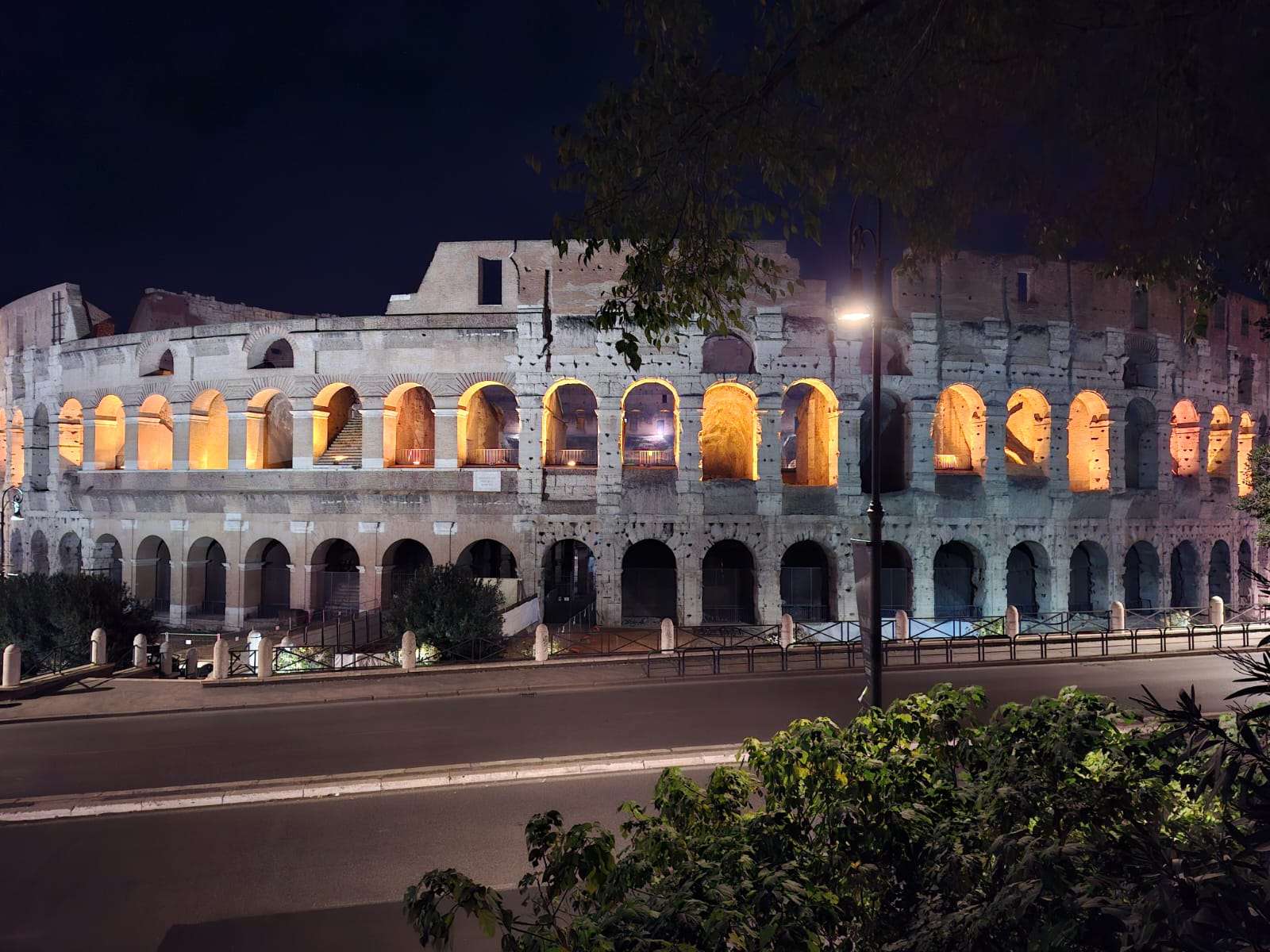
At night, this approach matters even more. After dinner, when energy dips but curiosity remains, smooth movement keeps the mood intact. Illuminated ruins pass by the window, reflections ripple along the Tiber, domes rise unexpectedly from the dark. The journey itself becomes part of the story.
This way of experiencing Rome is reflected in Rome by Limo: Discover the Eternal City with Luxury Car Tours
Across all these itineraries — structured days, local walks, nighttime routes — food acts as a quiet constant.
In Rome, meals don’t interrupt the experience; they complete it. Morning coffee becomes ritual. Market tastings ground you in daily life. Dinner stretches longer than planned because conversation does.
Street food tells one story — a supplì eaten standing up, hands still warm from the paper wrapper. Trattorias tell another: shared plates, familiar flavors, recipes passed down rather than written down. Food creates rhythm, marking transitions from day to night, from exploration to reflection.
For many travelers, it’s these moments — not the monuments — that resurface later. A taste remembered. A dish tied to a story. A meal that suddenly explains a neighborhood.
Individually, these itineraries offer different perspectives.
Together, they form a coherent way of experiencing Rome:
Structure to understand the city
Local viewpoints to feel it
Stories and food to remember it
Thoughtful movement to connect it all
Rome doesn’t ask for speed.
It asks for attention.
This hub is designed to give you a clear picture of what each experience includes — and help you decide where to begin, and how to connect the rest.
Each itinerary referenced here offers a deeper exploration of a specific way of experiencing Rome. Readers looking for detailed routes, timings, and practical insights are encouraged to explore the original articles linked above and combine the elements that resonate most with their own travel style.
Rome doesn’t ask to be seen all at once.
It asks to be experienced — thoughtfully, patiently, and with curiosity.
The best way to experience Rome in depth is by combining structured sightseeing with flexible, private experiences. A mix of walking tours in historic districts, food-focused itineraries, and private car services in Rome allows travelers to connect monuments, neighborhoods, and hidden viewpoints without rushing or losing context.
While Rome deserves weeks, a well-designed 3-day Rome itinerary offers an excellent foundation. By structuring days around Ancient Rome, Papal Rome, and local neighborhoods—and using private transfers where needed—travelers gain orientation first, then depth. Additional custom days or evening experiences can be added seamlessly.
Yes. Rome is larger and more spread out than it appears. A private car service in Rome helps connect distant areas—such as hilltops, evening destinations, or food neighborhoods—while preserving the flow of the experience. It’s especially valuable for night tours, multi-stop itineraries, and travelers who want comfort without sacrificing authenticity.
Rome at night reveals a completely different atmosphere: quieter streets, illuminated ruins, legends, and a slower rhythm. A Rome by night tour with a chauffeur allows you to move comfortably between walking areas, dinner stops, and scenic viewpoints, turning nighttime into a curated experience rather than a logistical challenge.
Absolutely. Roman cuisine is deeply tied to history and daily life. Food-driven itineraries—whether street food walks or dinner-based storytelling experiences—create natural pauses in the day and help travelers understand neighborhoods emotionally, not just visually. These experiences pair perfectly with custom private tours in Rome.
High-quality private tours in Rome are fully customizable. Rather than fixed routes, they adapt to interests such as history, food, photography, or relaxed pacing. Combining walking tours with chauffeured transfers allows you to personalize timing, stops, and energy levels without sacrificing depth.
Not at all. A luxury limo service in Rome is often about efficiency and comfort rather than extravagance. It’s ideal for travelers who want to maximize limited time, avoid fragmented itineraries, and enjoy seamless movement—especially for evening experiences, multi-day tours, or travelers visiting Rome for the first time.
This approach is ideal for travelers who value quality over quantity: couples, first-time visitors, repeat visitors, and anyone seeking a more thoughtful, connected way to explore the city. By blending walking experiences, food storytelling, and private car services, Rome becomes easier to understand—and far more memorable.
If you are looking for luxury tours or private transfer contact us now